


Reading fuel consumption during MOT testing with the Snap-on OBFCM Diagnostic Interface
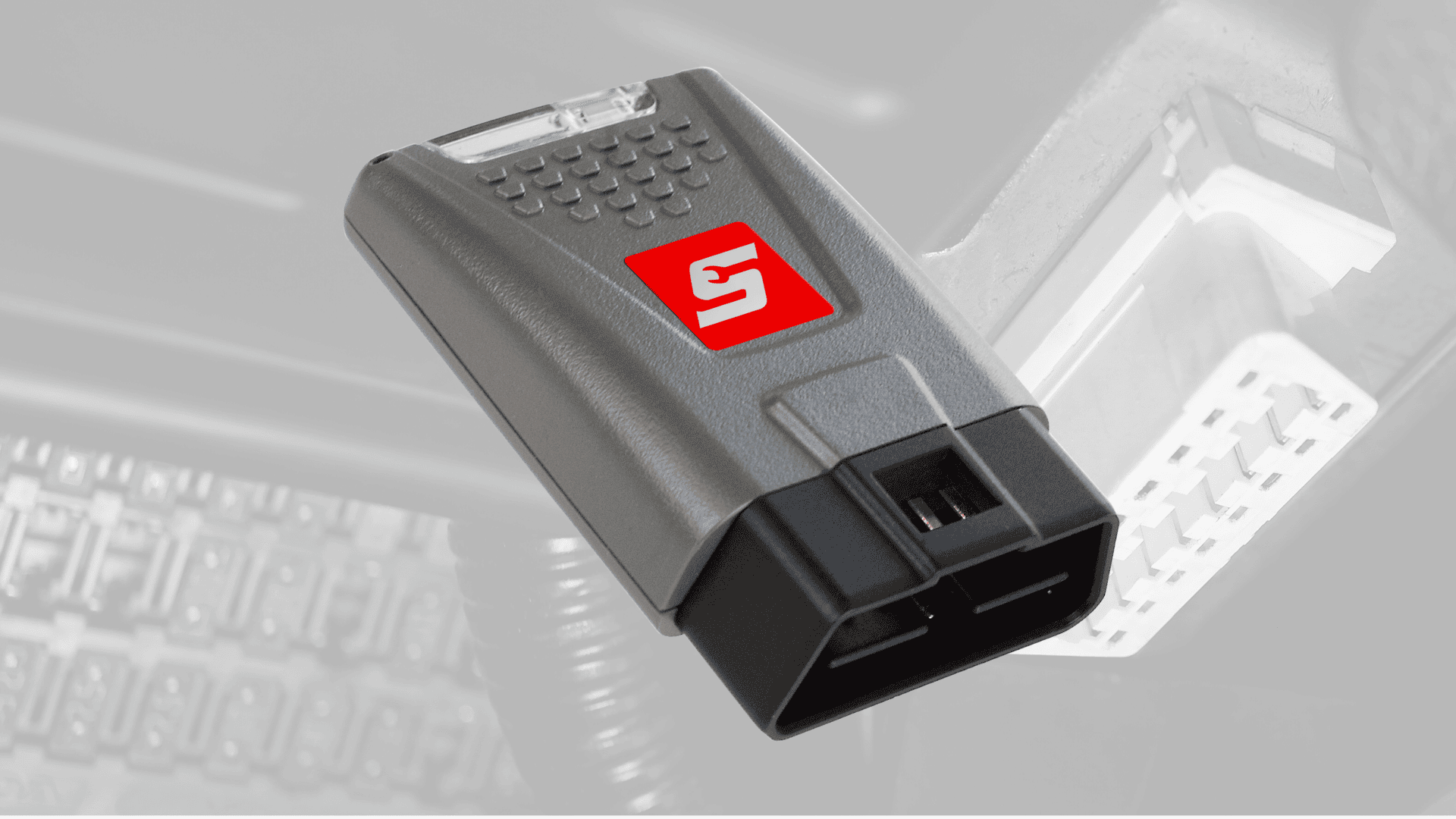
Reading the actual fuel consumption and electricity consumption (energy consumption) of passenger cars and vans with a fuel engine or plug-in hybrid powertrain has been mandatory since 1 January 2024. The Snap-on EOBD Diagnostic Interface with OBFCM functionality (EAK0368N20A) meets the requirements set by the government, reads the consumption data and automatically sends the data to the RDW.
 Simple and quick EOBD and EOBDII diagnostics
Send OBFCM data quickly to the RDW server
APK quick test; MIL status, readiness test and number of error codes at the touch of a button
Via USB cable or wirelessly via Bluetooth
Supports all 10 EOBD modes
For 12 and 24 Volt vehicles
Automatically recognises 8 different protocols
Installation of universal EOBD software on Windows PC (versions 7 – 11)
No recurring subscription fees after purchase
Passenger cars and vans with a fuel engine or plug-in hybrid powertrain and a date of first registration on or after 1 January 2021 have an Onboard Fuel Consumption Monitoring (OBFCM) system that records total energy consumption (fuel and electricity). This data can be read via the OBD (On-Board Diagnostics).
European Environment Agency
The RDW collects all data and sends it to the European Environment Agency once per calendar year. Using the data collected from all Member States, the EU checks whether the energy consumption claimed by car manufacturers corresponds to actual consumption.
Originally, all EU Member States were supposed to start collecting the data and sending it to the European Environment Agency from 20 May 2023. For a number of reasons, this date has proved unfeasible and the start date has been postponed until a date to be determined.
All car manufacturers are required to submit the data to the European Environment Agency. The data that must be sent to the Environment Agency includes the Vehicle Identification Number (VIN) to identify the vehicle, the total distance travelled, and the total fuel consumed or total electricity charged.
Reading OBFCM energy consumption
The effective date of the amended accreditation policy is 01/01/24 (1 January 2024). This means that from this date onwards, the equipment will be mandatory and subject to supervision.
Reading the data requires an additional step during the MOT test and places additional demands on the equipment required by MOT test centre operators. The Snap-on EOBD Diagnostic Interface with OBFCM functionality (EAK0368N20A) meets the requirements and can read the fuel consumption data and automatically send it to the RDW.
The standalone Snap-on dongle is connected to the Windows computer with OBFCM software via the vehicle’s EOBD plug. Clicking on the OBFCM icon downloads the necessary data. Reading and sending the data to the RDW (depending on the protocol used by the OEM) takes only a few seconds. After purchasing the OBFCM interface, there are no recurring subscription costs.
Since November 2023, the OBFCM readout option and data transfer have been added to Snap-on diagnostic equipment software (from software version 23.4 onwards).
Features Snap-on OBFCM interface
Simple and quick EOBD and EOBDII diagnostics
Send OBFCM data quickly to the RDW server
APK quick test; MIL status, readiness check and number of error codes at the touch of a button
No recurring subscription fees after purchase
Via USB cable or wirelessly via Bluetooth
Supports all 10 EOBD modes
For 12 and 24 Volt vehicles
Automatically recognises 8 different protocols
Installation of universal EOBD software on Windows PC (versions 7 – 11)
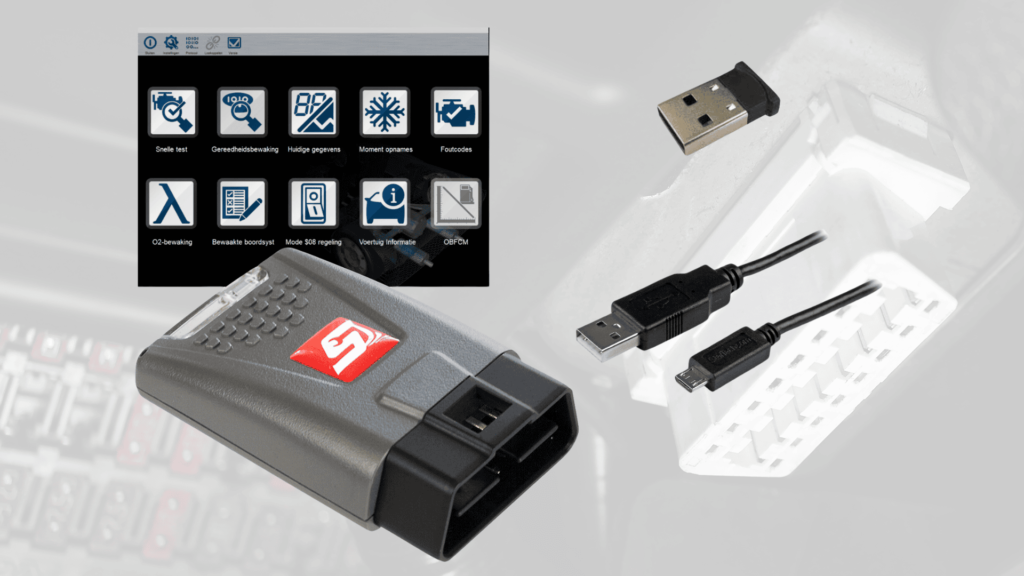
The Snap-on EOB OBFCM interface hardware kit consists of
1 x ROTI III dongle
1 x USB bluetooth adapter
1 x USB cable
Quick start guide
Safety booklet
